
The turbulent saga of Pakistan cricket spans over half a century, characterized by soaring highs and crushing lows. Yet, a bizarre historical pattern remains deeply entrenched in its culture: legendary triumphs are almost always followed by the swift downfall of successful captains.
Even after the historic 1992 World Cup victory, Imran Khan faced rumors of internal rifts and rebellion. Younis Khan, the architect of the 2009 T20 World Cup triumph, was soon confronted by a player mutiny. Similarly, Sarfaraz Ahmed, who led Pakistan to the unforgettable 2017 Champions Trophy, was unceremoniously stripped of his captaincy. The underlying theme is clear—bringing global silverware home rarely guarantees job security in Pakistan cricket.
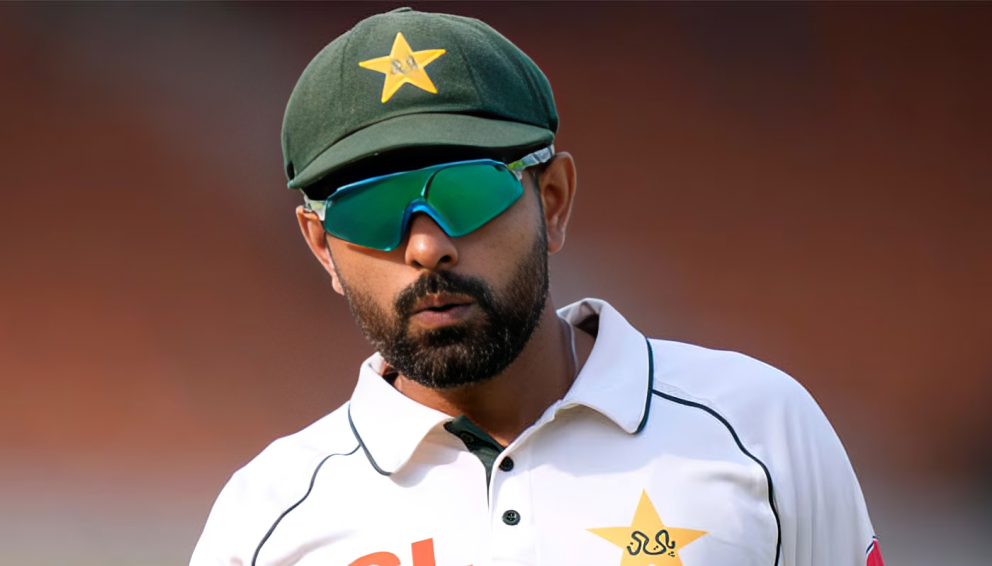
However, Babar Azam stands as a stark exception to this ruthless tradition. Despite failing to secure a major global title like his predecessors, he has miraculously been handed the leadership crown for a third time. This unprecedented reappointment raises glaring questions about the structural integrity and vision of the Pakistan Cricket Board (PCB).
When the selection committee announced the Test squad for the upcoming West Indies and England tours, Aaqib Javed—Director of the High-Performance Centre and a former vocal critic of Babar—centered his justifications around Shan Masood’s dismal record of 12 Test defeats. Javed argued that a captain’s mandate extends beyond just standing on the field; it involves securing wins, maintaining over rates, executing flawless DRS calls, and mastering toss strategies. Yet, the irony that Javed found no alternative besides Babar highlights a massive systemic failure. If no new leaders have been groomed over the past few years, who should be held accountable?
Is it fair to place the entire burden of a team’s failure solely on the captain’s shoulders? Babar’s previous stints were marred by leadership pressures that visibly deteriorated his batting form. After being reappointed as the white-ball captain, his tenure hit a new low with a humiliating exit against debutants USA in the T20 World Cup. While Shan Masood was rightfully ousted for poor results, shielding the selection, coaching, and planning departments from accountability while using captains as scapegoats will never alter the team’s trajectory.
World-class cricketing nations handle leadership transitions with long-term foresight. In 2003, Cricket South Africa handed the Test captaincy to a 22-year-old Graeme Smith after just nine matches. Despite sharing a dressing room with legends like Herschelle Gibbs, Gary Kirsten, Jacques Kallis, and Shaun Pollock, the seniors rallied behind the youngster. The result? Smith became the most successful Test captain in history with 54 wins. In stark contrast, Masood was handed the title but denied the stability, trust, and cohesive environment necessary for a new leader to thrive, leaving him looking isolated on the field.
Ultimately, reappointing Babar Azam is a glaring admission that Pakistan is not just struggling with bat and ball, but is embroiled in a severe leadership crisis. When the same face repeatedly becomes the only viable alternative, it exposes the failure of an entire ecosystem. True success stems from a robust system, clear policies, and consistent leadership. Pakistan cricket desperately needs a modernized vision and an administrative framework that trusts and develops future leaders, rather than relying on a revolving door of captains to mask systemic flaws.

